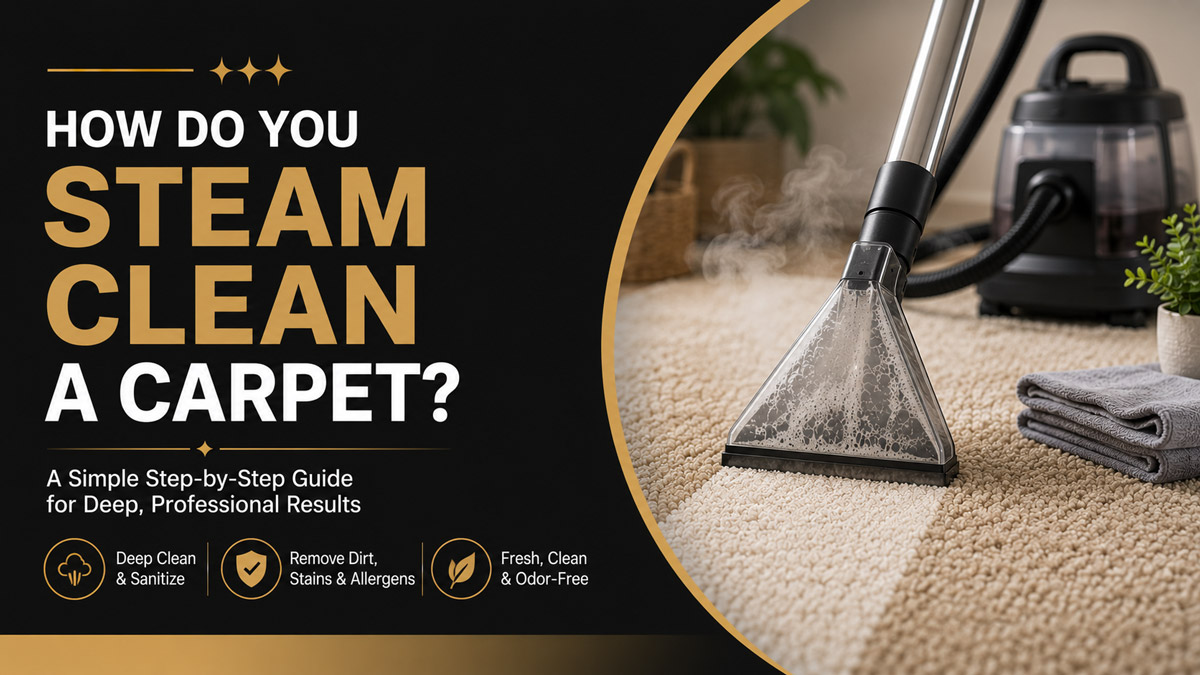
If you want to know how do you steam clean a carpet to professional standards, the answer requires applying pressurized hot water and specialized detergents, followed immediately by high-volume vacuum extraction. This process breaks the chemical bonds holding dirt to the fibers and instantly pulls the contaminants into a recovery tank.
Key Facts / At a Glance
- Optimal water temperature at the cleaning wand tip ranges from 150 to 212 degrees Fahrenheit.
- Professional truck-mounted machines operate between 300 and 500 PSI for maximum soil removal.
- Dry vacuuming before wet extraction removes 70 to 80 percent of abrasive particulate soil.
- True vapor steam is rarely used; the industry relies on hot water to prevent synthetic fibers from melting.
- Standard drying times range from 6 to 12 hours under normal indoor humidity conditions.
What Is Hot Water Extraction?
Hot water extraction is the technical term for what consumers call steam cleaning. The process relies on thermal energy, fluid pressure, and massive vacuum suction. True steam reaches temperatures well above 212 degrees Fahrenheit, which melts synthetic carpet adhesives and damages the underlying foam padding. Instead, technicians use heated water injected deeply into the carpet pile.
Cleaning effectiveness in this system follows the Sinner’s Circle principle. This principle mandates a balance of four elements: temperature, chemical action, mechanical agitation, and time. When you lack one element, you must increase another. Consumer machines lack high temperatures, requiring the operator to increase chemical dwell time and physical agitation to achieve a similar clean. The pressurized water acts primarily as a delivery and flushing mechanism. It neutralizes the pre-applied chemicals and suspends the broken-down soils just long enough for the vacuum slot to extract them.
What Equipment Do You Need?
The power of your extraction equipment dictates your cleaning sequence, chemical choices, and final drying times. The industry divides equipment into distinct tiers based on vacuum lift, water pressure, and heating capability.
Hot Water Extraction Equipment Compared
| Equipment Class | Peak Temperature | Operating Pressure | Best Application Case | Typical Cost |
| Direct-Drive Truck-Mount | 220 Degrees Fahrenheit | 400 to 800 PSI | Heavy residential soils and large commercial spaces | $123 to $242 per job |
| High-Performance Portable | 150 to 180 Degrees Fahrenheit | 200 to 400 PSI | High-rise apartments and inaccessible office suites | $100 to $180 per job |
| Consumer Rental Machine | Tap Water Temperature | 40 to 100 PSI | Light surface maintenance for budget-conscious users | $35 to $50 per day |
| Sub-Surface Extractor (Water Claw) | Varies by connected unit | Relies entirely on vacuum | Heavy pet urine saturation reaching the foam pad | $20 to $40 surcharge |
Direct-drive truck-mounted systems represent the gold standard. These machines run off the vehicle engine, powering massive positive displacement blowers that pull nearly all injected moisture back out of the carpet. Portable commercial extractors plug into standard 120-volt wall outlets, limiting their heater wattage and vacuum motor size. Consumer rental units (like Rug Doctor or Bissell) rely entirely on the heat of your residential tap water and possess minimal suction power, requiring strict operational discipline to avoid overwetting the floor.
How Do Different Carpet Fibers React?
You cannot apply the same chemicals or heat levels to every carpet. The material composition of the face yarn dictates your entire cleaning strategy. Applying alkaline soaps to natural wool destroys the protein structures, while applying low heat to Olefin leaves oily residues completely intact.
Fiber Chemistry and Cleaning Tolerances
| Fiber Material | Chemical Sensitivity | Heat Tolerance | Common Cleaning Challenges |
| Standard Nylon | Requires pH below 10.0 | Excellent (Up to 220 F) | High pH strips factory-applied acid dye resistors |
| Polyester | Resistant to acidic stains | Moderate (Avoid over 200 F) | Prone to crimp loss and permanent physical crushing |
| Olefin (Polypropylene) | Tolerates high pH | Low (Melts easily) | Attracts petroleum soils and requires solvent boosters |
| Natural Wool | Strict pH limits (5.5 to 8.0) | Low (Shrinks if overheated) | Holds 30 percent of its weight in water before feeling wet |
Before You Start: Preparation and Setup
Project Overview:
- Active Cleaning Time: 20 minutes per standard room.
- Drying Time: 6 to 12 hours.
- Difficulty: Moderate (Physical stamina required).
- Prerequisites: Moving furniture, dusting top-down, clearing clutter.
Preparation dictates the final outcome. Remove all furniture, clutter, and small items from the area. If you cannot move heavy furniture like bookshelves or beds, place aluminum foil squares or dedicated plastic tabs under the legs. Wood stains and metal rust transfer instantly onto damp carpet fibers, creating permanent discolorations.
Dust the ceiling fans, baseboards, and window blinds before touching the floor. Falling debris ruins freshly cleaned carpets. Set your HVAC system to 70 degrees Fahrenheit (21 degrees Celsius) to prepare the indoor environment for optimal moisture evaporation.
Step 1: Pre-Vacuum The Area
Dry vacuuming removes 70 to 80 percent of abrasive particulate soil from the carpet before any water touches the floor. You must vacuum meticulously using a cross-hatch pattern. Push the vacuum north to south across the entire room, then repeat the process moving east to west.
Skipping this step guarantees poor results. When you inject hot water into dry soil (like sand, quartz, and dead skin cells), you create a dense mud sludge at the base of the carpet fibers. Extraction machines struggle to lift heavy mud. The remaining sludge wicks up to the surface during the drying process, leaving the carpet looking dirty within 48 hours. Always use a vacuum equipped with a HEPA filter to trap micro-particulates rather than exhausting them back into the room air.
Step 2: Apply Chemical Pre-Conditioners
Fill a separate pump-up garden sprayer with a specialized carpet pre-spray, often called a traffic lane cleaner. Spray this chemical directly onto the highly soiled areas and individual stains. You must allow a strict dwell time of 5 to 10 minutes. This resting period allows the alkaline chemicals to emulsify stubborn grease and break the surface tension of oils.
Do not rush the dwell time. The Institute of Inspection, Cleaning and Restoration Certification (IICRC) S100 standard explicitly states that chemical dwell time must be allowed to suspend soils before extraction begins. Rushing this step forces the operator to rely on excessive water pressure, which drives dirt deeper into the carpet pad.
Expert Insight: “Professional technicians operate by the rule of suspension before extraction. You must allow pre-sprays 10 full minutes of dwell time to emulsify greases. Skipping this forces you to use too much water, which causes severe mold risks in the underlying pad.”
Identify your specific stains before applying heat. Applying hot water directly onto untreated protein stains (like blood, milk, or fresh pet messes) permanently cooks the proteins into the synthetic fibers. Treat protein stains with an enzymatic spotter first, and extract them with cold or warm water before applying high heat.
Step 3: Agitate The Carpet Fibers
Mechanical agitation lifts the crushed carpet pile and works the pre-conditioner deep into the fibers, ensuring contact with soils trapped near the backing. Professionals use Counter-Rotating Brush (CRB) machines to sweep the chemicals through the nap.
For DIY operations, use a manual carpet rake with stiff nylon bristles. Pull the rake across the traffic lanes using firm, even strokes. This physical friction breaks apart crusty soils and prepares the carpet to release dirt upon contact with the extraction wand. Agitation increases overall soil removal by up to 30 percent compared to chemical application alone.
Step 4: Extract With Hot Water
Fill the extraction machine’s clean water tank with hot tap water. If you are using a professional system, add the precise manufacturer-recommended dose of acidic rinse agent. The acid rinse lowers the pH of the carpet back to a neutral state, leaving the fibers soft and preventing rapid re-soiling.
If you are using a consumer rental machine, implement the “Rinse-Only” technique. Apply your detergents to the floor using the separate pump sprayer from Step 2, and fill the rental machine tank with pure hot water only. Use the rental unit strictly to flush and extract. This eliminates the risk of leaving sticky, crunchy soap residue behind.
Start at the furthest corner from the exit door to avoid walking on the wet carpet. Execute the cleaning stroke with strict precision:
- Squeeze the machine’s trigger and pull the wand backward at a steady pace of about 1 foot per second to inject the water.
- Release the trigger immediately at the end of the wet pass.
- Push the wand forward over the exact same path without spraying.
- Pull the wand backward again over the exact same path without spraying.
These two dry passes are mandatory. They extract maximum water and shorten dry time. Overlap each stroke by 30 percent to prevent streaking. Never perform a wet pass without following it with at least two dry passes.
Step 5: Groom and Dry The Carpet
Immediately after extraction, run a carpet rake over the entire floor. Pull the rake in one uniform direction to lift up the nap. Standing the fibers straight up allows air to flow between them, significantly accelerating the evaporation process and erasing machine wheel tracks.
Evaporation requires energy, airflow, and low humidity. Turn on all ceiling fans to disrupt the boundary layer of saturated air resting immediately above the wet carpet. Place commercial centrifugal air movers pointing along the walls to create a vortex of dry air across the floor. If the outdoor humidity is below 50 percent, open the windows slightly to exchange damp indoor air with dry outdoor air.
Wait 6 hours before allowing light foot traffic. Anyone walking on the damp floor must wear clean socks or plastic shoe covers. Wait a full 24 hours before removing the protective foil tabs and placing heavy furniture back onto the carpet.
How Does Steam Cleaning Compare to Dry Cleaning?
Facility managers and homeowners often debate between hot water extraction and low-moisture alternatives. Each system excels in different environments. Hot water extraction provides restorative cleaning, while dry methods offer rapid surface maintenance.
Carpet Cleaning Methods Compared
| Cleaning Method | Primary Mechanism | Typical Drying Time | Deep Soil Removal Capability |
| Steam Cleaning (HWE) | Pressurized hot water injection and deep vacuum extraction | 6 to 12 hours | Removes 90 percent or more of deep dirt and allergens |
| Encapsulation (VLM) | Chemical polymers trap dirt and dry into crystals for vacuuming | 1 to 3 hours | Surface level only; fails to extract deep mud or heavy sand |
| Bonnet Pad Buffing | Rotating saturated absorbent pad scrubs the carpet surface | 1 to 2 hours | Poor; pushes soils deeper into the pile over time |
Major carpet manufacturers recognize these differences. In their published maintenance guidelines, Shaw Industries requires that carpets be professionally cleaned by hot water extraction every 12 to 18 months to retain the factory warranty. Dry methods void many warranties because they allow abrasive sand to accumulate near the backing.
What Are The Most Common Mistakes?
Most carpet damage occurs due to operator error rather than equipment failure. Understanding the physics of failure prevents permanent damage to your home.
Over-wetting causes the most severe damage. Running too many wet passes without matching them with dry passes forces water past the primary backing. The water soaks into the polyurethane foam pad underneath. Foam acts like a sponge, holding water for days and creating a breeding ground for mold and mildew.
Over-use of detergent destroys carpet aesthetics. Many users believe more soap equals a cleaner carpet. Excess soap leaves a sticky alkaline residue on the fibers. This residue acts like a dirt magnet. Every time you walk across the floor, the soap strips dirt from your shoes, causing the carpet to look worse than before you cleaned it. Always use an acid rinse to neutralize alkaline pre-sprays.
Troubleshooting Guide for Post-Cleaning Issues
When things go wrong, you must act quickly to prevent permanent damage. The two most common post-cleaning issues are odor blooms and recurring stains.
Wet Dog Odor (Bacterial Bloom):
If the carpet smells like a wet dog or sour milk after cleaning, the underlying padding is holding too much moisture. The slow drying environment allows stagnant bacteria to rapidly bloom. You must immediately crank up the ventilation. Deploy commercial floor fans and a high-capacity dehumidifier. If the carpet remains wet past 48 hours, a professional re-extraction is required to physically remove the moisture and prevent permanent mold damage.
Wicking (Returning Stains):
Sometimes old stains reappear once the carpet dries. This is called wicking. A deep spill (like coffee or pet urine) remains trapped in the backing or the pad. As the top layer of the carpet evaporates, capillary action pulls the moisture and the hidden stain back up to the surface fibers. Do not re-wet the area with an extraction machine. Once the carpet is fully dry, spray the spot lightly with a low-moisture stain treatment. Blot it firmly with a heavy, clean white towel weighed down by a textbook overnight. The towel absorbs the stain as it attempts to rise.
How Much Does Steam Cleaning Cost?
Professional hot water extraction pricing depends on the regional market, the size of the home, and the level of soiling.
Pricing typically falls between $123 and $242 for a standard three-room residential home. When companies charge by the square foot, expect to pay between $0.20 and $0.45 per square foot. Highly soiled carpets requiring enzyme treatments for pet urine or specialized red dye removal carry additional surcharges.
DIY machine rentals cost $35 to $50 per day at local hardware stores. You must also purchase specialized cleaning solutions, adding $20 to $40 to the total DIY cost. While DIY saves money upfront, poor technique often requires hiring a professional to fix overwetting issues, negating the savings.
The Bottom Line
For the deepest possible clean, truck-mounted hot water extraction remains the definitive standard. Pet owners and allergy sufferers should rely exclusively on professional extraction every 6 to 12 months, as only high heat denatures dander proteins and flushes out deeply embedded soils. Budget-conscious consumers can achieve excellent results with rental machines, provided they dry vacuum thoroughly, allow chemical pre-sprays to dwell, and adhere strictly to the rinse-only extraction technique.
Frequently Asked Questions
Is it safe to walk on a carpet immediately after steam cleaning?
Walking on damp carpet presses fresh soils from your shoes or bare feet directly into the open, wet fibers. Wait at least 6 hours before walking on the area, and always wear clean white socks or plastic shoe covers to prevent transferring body oils onto the floor.
Does steam cleaning ruin the carpet padding?
Properly executed hot water extraction never touches the carpet padding. The water penetrates only the face fibers and is instantly vacuumed away. Only severe operator error, specifically over-wetting and failing to execute dry passes, pushes water deep enough to ruin the underlying foam pad.
Can I use laundry detergent in my carpet cleaning machine?
Never use laundry detergent, dish soap, or standard household cleaners in an extraction machine. These products produce massive amounts of foam that destroy vacuum motors, and they lack the specific formulation required to rinse cleanly from synthetic carpet fibers, guaranteeing rapid re-soiling.
Will hot water extraction remove heavy pet urine odor?
Surface extraction alone will not remove severe pet urine odor because urine crystallizes deep inside the foam pad. Professionals must use a sub-surface extraction tool (like a Water Claw) combined with heavy enzymatic flood treatments to digest and extract the urine salts from the padding.
Should I apply Scotchgard after cleaning my carpet?
Applying a fluorochemical protectant after extraction restores the factory stain resistance of Nylon and Polyester carpets. The heat and chemical action of cleaning slowly degrades the original factory protection. Reapplying the protectant extends the life of the fibers and makes vacuuming more efficient.